
Aug 26, 2026Buying Guides
How to Launch a Private Label Faucet Line: An OEM Sourcing Guide for Wholesalers
A practical OEM faucet sourcing guide for wholesalers covering specifications, samples, MOQ, branding, packaging, quality control, landed cost, and launch planning.
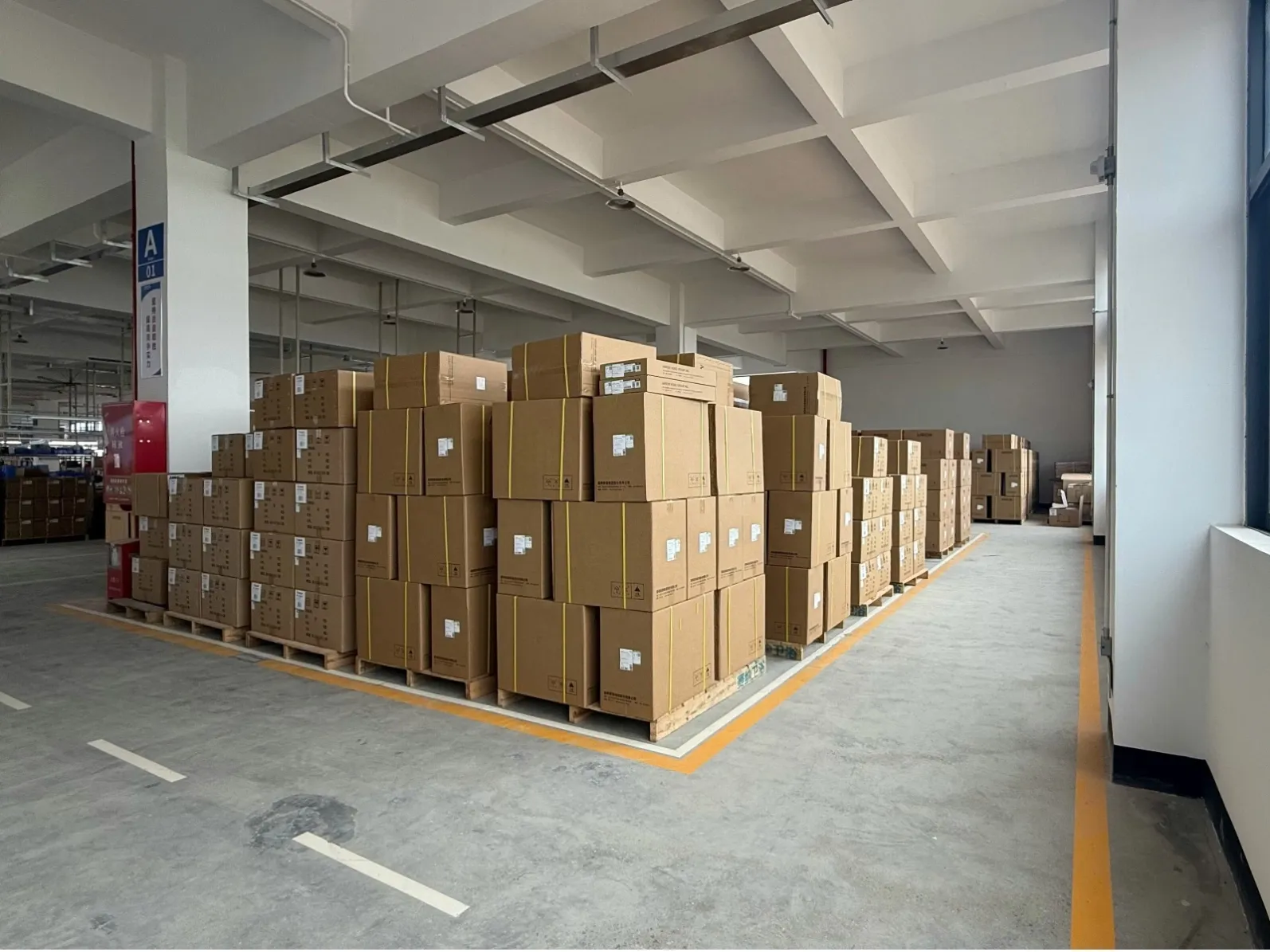
A private label faucet line can give a wholesaler better price control, stronger customer loyalty, and a product range that competitors cannot copy item for item. But the opportunity is not created by putting a logo on a random catalog model. It comes from building a range that fits your market, price band, installation habits, and after-sales capacity.
As a sanitary ware factory working with wholesale buyers, we see the best OEM programs begin with clear commercial decisions. The roadmap below is written from the buyer's side: what to decide, what to ask the factory, and what to approve before a bulk faucet order enters production.
Start With Sell-Through, Not Catalog Size
A large catalog can look impressive while tying up cash in slow-moving stock. Begin with the customers who already buy from you. Are they plumbing distributors, bathroom showrooms, project contractors, e-commerce sellers, or hotel suppliers? Their price expectations, preferred finishes, and packaging needs are different.
For a first private label faucet range, focus on a compact family of products that can share design language, finishes, and spare parts. A basin mixer, tall vessel faucet, kitchen faucet, and matching shower solution can create a coordinated collection without forcing you to carry dozens of unrelated SKUs. The goal is faster sell-through and simpler reordering, not maximum variety on day one.
Give the Factory a Quote-Ready Specification Brief
The phrase “good quality faucet” is too broad for an accurate quotation. A useful sourcing brief should state the target market, application, material preference, finish, cartridge expectations, water connection standard, packaging level, logo position, estimated quantity, and target delivery window.
Also provide the commercial context. Tell the factory whether the product is intended for an entry, mid-range, or premium position. This helps the manufacturer recommend a realistic construction instead of cutting the wrong component to reach a price. If local testing or documentation is required, identify it before sampling so the product can be planned around the requirement.
Choose a Launch Assortment That Protects Cash Flow
MOQ should be evaluated across the whole launch, not only per model. Too many finishes multiply cartons, spare parts, photography, warehouse locations, and slow-moving inventory. Most new ranges benefit from one core finish, one growth finish, and a limited number of models with clear roles.
Ask whether related faucets can share cartridges, aerators, hoses, mounting hardware, or packaging dimensions. Component commonality reduces purchasing complexity and makes after-sales service easier. It also gives the wholesaler more flexibility when replenishing successful models.
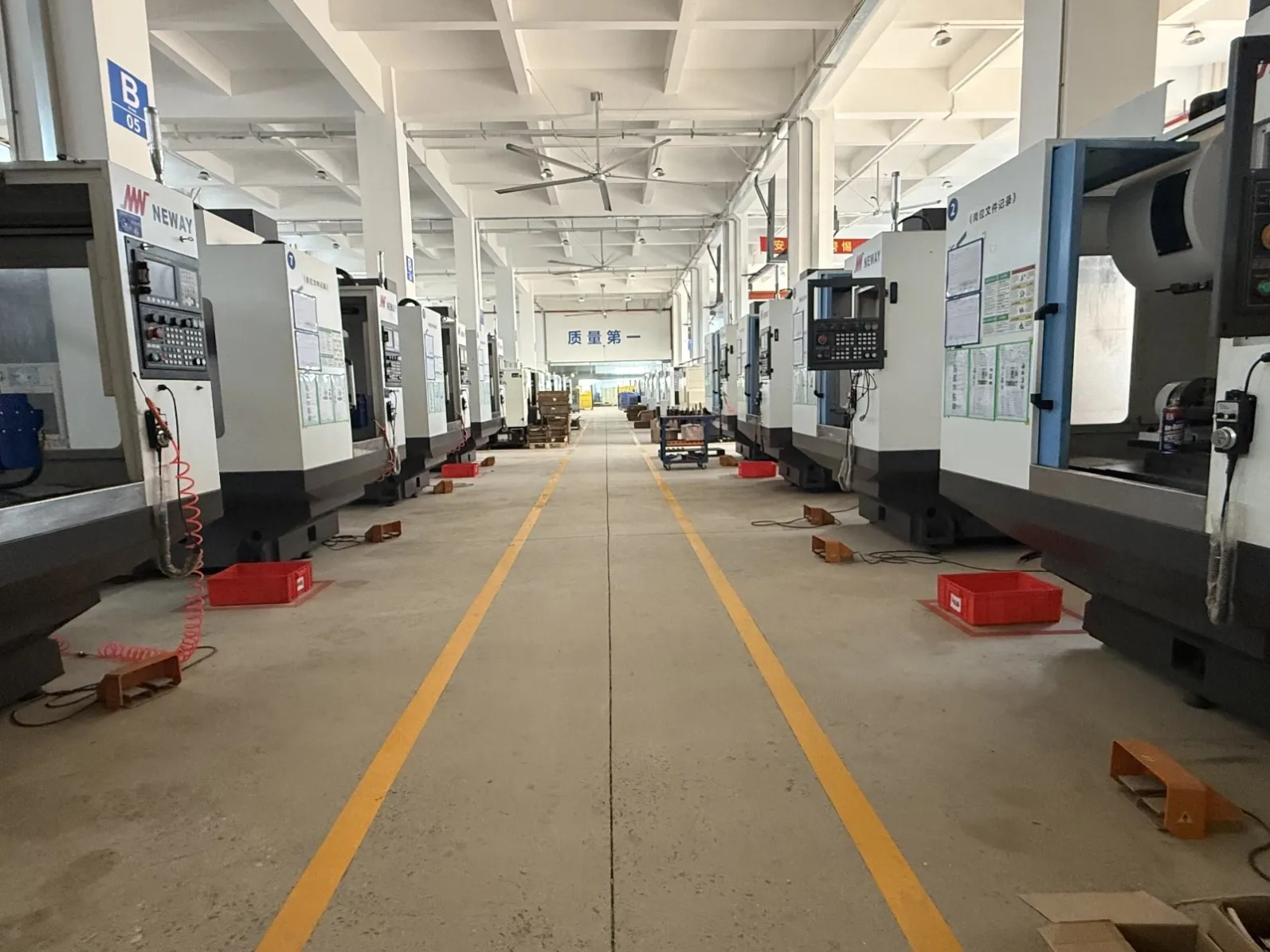
Treat the Approved Sample as the Production Standard
A sample is not only a sales display; it is the reference for bulk production. Record the approved model, dimensions, finish tone, logo size and position, handle movement, water flow, accessories, carton layout, and included documents. Photograph the approved details and keep a signed specification sheet.
Before mass production, confirm which points the factory will inspect and how results will be reported. For the wholesaler, the important question is not simply “Was it checked?” but “Was the bulk order checked against the same standard we approved?” This reduces disputes caused by assumptions between purchasing, production, and quality teams.
Make Private Label Packaging Work for Your Channel
Packaging must protect the faucet, communicate your brand, and fit the way your customers handle stock. A showroom distributor may need a clean retail carton, while a project supplier may value clear model labels, fast identification, and robust internal protection more than expensive graphics.
Confirm the logo files, color references, barcode format, model naming, installation instructions, warranty wording, and carton marks before printing. Ask for a packaging mock-up and drop-protection review. Good packaging can reduce freight damage, picking errors, and customer confusion while making the range look consistent across different models.
Compare Landed Cost, Not Only the Unit Price
The lowest faucet quotation is not always the lowest-cost purchase. A wholesaler's real cost includes packaging, branded materials, inspection, freight, duties, warehousing, damaged units, replacement parts, and the cash tied up in slow inventory.
Compare suppliers using the same specification and packaging standard. Then consider how product consistency, carton efficiency, consolidated shipments, and spare-parts planning affect the final margin. A slightly higher factory price can be commercially better if it reduces claims and makes repeat orders more predictable.
Plan After-Sales Support Before the First Shipment
Private label means your customer will contact you first if something goes wrong. Decide which replacement parts should be stocked with the opening order and how each part will be identified. Common service items may include cartridges, aerators, hoses, seals, handles, or mounting parts, depending on the faucet design.
Ask the factory for a simple parts list, installation information, and a process for tracing production batches. When wholesalers can solve a small service issue quickly, they protect the customer relationship and avoid replacing an entire faucet unnecessarily.
Use a Clear Approval Path From Sample to Shipment
A reliable OEM program needs decision points. Approve the specification, sample, finish, logo, packaging, pre-production details, inspection criteria, and shipping marks in sequence. Keep the same item code across quotations, samples, cartons, spare parts, and purchase orders.
This approval path gives both buyer and factory a shared record. It also makes repeat orders faster because the approved standard does not need to be rebuilt from emails each time.
What to Send a Faucet Factory for a Useful OEM Proposal
To receive a practical proposal, send your target market, buyer channel, required product types, preferred materials and finishes, expected order quantity, branding files, packaging expectations, compliance needs, target price position, and desired launch date. If you have reference products or drawings, include them and identify which features are essential and which can be adjusted.
A good factory response should clarify assumptions, identify open decisions, and separate sample requirements from bulk-order terms. That gives you a stronger basis for comparing suppliers than a single unit-price number.
Ready to Build a Private Label Faucet Range?
GODA is a sanitary ware factory supporting wholesale and project buyers with faucet selection, OEM and ODM coordination, finish planning, sampling, private label packaging, and bulk production. Share your market, product ideas, estimated quantities, and launch goals so we can discuss a practical starting range.
WhatsApp: +86 188 0255 0522