
How Faucet Wholesalers Can Build a Profitable SKU Mix Without Overstock
A practical SKU planning guide for faucet wholesalers covering product tiers, finishes, MOQ, packaging, inventory risk, and smarter reordering.
Wholesale Faucet Sourcing Guide
How Faucet Wholesalers Can Build a Profitable SKU Mix Without Overstock
A practical assortment-planning framework for importers and distributors who want stronger sell-through, healthier cash flow, and a faucet range that is easier to reorder.
For a faucet wholesaler, the most expensive product is not always the model with the highest purchase price. It is often the model that looks attractive in a catalog, occupies warehouse space for months, and forces you to discount it later. A large assortment can impress buyers, but too many models, finishes, and packaging variations can divide your purchasing budget into slow-moving inventory.
A profitable faucet range should give customers enough choice without making every choice a separate inventory problem. The objective is to build a focused collection that covers your main price points and sales channels while keeping specifications, components, and reorders manageable.
1. Start With the Buyer and Sales Channel, Not the Factory Catalog
Before selecting models, define who will buy them from you. A plumbing merchant, bathroom showroom, project contractor, e-commerce seller, and home-improvement chain may all need faucets, but they do not evaluate the same features in the same way.
- Retail and showroom buyers often need visible design differences, coordinated finishes, attractive displays, and clear product stories.
- Project buyers usually value stable specifications, installation consistency, spare parts, documentation, and dependable repeat supply.
- Online sellers benefit from compact packaging, complete product images, straightforward feature comparisons, and models that are easy to explain.
- Plumbing merchants often prioritize familiar installation, practical price points, replacement components, and products that installers trust.
Write a short sourcing brief before requesting a quotation: destination market, target customer, selling price range, preferred installation types, required finishes, certifications or test documents, packaging format, and expected order volume. This gives the factory a commercial target instead of a vague request for “best-selling models.”

2. Divide the Assortment Into Core, Growth, and Test SKUs
Not every SKU deserves the same purchasing budget. A simple three-tier structure helps wholesalers decide where to carry depth and where to remain cautious.
| SKU Tier | Commercial Role | Buying Approach |
|---|---|---|
| Core | Proven models for the broadest customer group | More inventory depth and planned replenishment |
| Growth | Promising designs, finishes, or price segments | Moderate quantity with sales tracking |
| Test | New concepts for market validation | Controlled trial quantity before expansion |
Your exact allocation should reflect your own sales history. The important point is to avoid ordering an unproven finish or design with the same depth as a repeat seller. A test SKU earns more investment only after enquiries, sample feedback, and real orders support it.
3. Control Finish Proliferation Before It Controls Your Cash
Chrome, matte black, brushed gold, brushed nickel, gun gray, white, and rose gold may all be commercially useful, but every additional finish multiplies inventory, photography, packaging labels, display samples, and replacement-part requirements.
Choose one or two lead finishes for the core range, then add market-specific finishes selectively. Review whether the same finish name and sample are being used across basin faucets, kitchen faucets, shower systems, and accessories. Ask the factory to confirm finish references, acceptable color variation, coating method, care instructions, and how future batches will be matched.
For wholesalers, finish consistency is a collection-level issue. A basin mixer and shower system sold for the same bathroom should look coordinated under the same lighting. Establishing approved finish samples before bulk production reduces arguments later and makes repeat orders more predictable.
4. Build Families Around Shared Platforms
A well-planned collection does not need every model to be mechanically unique. Ask which products share cartridges, aerators, hoses, mounting kits, handles, diverters, or internal valve platforms. Shared components can simplify spare-parts stock, after-sales training, and future replenishment.
The same principle applies to design. A consistent handle shape or body language can connect basin mixers, wall-mounted faucets, kitchen faucets, and shower controls into a recognizable family. This helps showroom buyers create coordinated displays and makes private-label marketing more coherent.
However, component sharing should never replace specification control. Record the approved material, dimensions, flow characteristics, connection standard, finish, logo position, and packaging for each SKU. The goal is operational simplicity with clear product identity.
5. Negotiate MOQ Around Sales Velocity
A low unit price can become expensive when the MOQ is larger than your realistic sales volume. Compare each proposed quantity with expected monthly sales, lead time, available warehouse space, cash conversion cycle, and minimum display stock.
When discussing a first order with a sanitary ware factory, ask what flexibility is available for mixed models or finishes, standardized components, neutral packaging, and later private-label upgrades. Flexibility depends on materials, finishing, assembly, and packaging requirements, so confirm the commercial conditions in writing rather than assuming every item can be mixed.
For a new range, it can be smarter to validate a focused assortment, identify the winners, and then deepen stock. The factory conversation should include both the first shipment and the intended reorder path.

6. Treat Packaging as Part of the SKU
Two faucets with identical bodies can become different commercial SKUs when the box, manual, barcode, accessories, warranty card, or logo changes. Define packaging early so quotations are comparable and your warehouse receives sale-ready goods.
- Confirm carton dimensions and gross weight for freight and warehouse planning.
- Use clear model codes on the product, inner box, master carton, and packing list.
- Check barcode format, destination-market language, installation instructions, and required warning labels.
- Specify included hoses, fixing kits, adapters, and optional accessories.
- Agree on spare-parts identification so your team can serve buyers after the sale.
Consistent labeling reduces picking errors and makes it easier to measure sales by exact model and finish. That data improves the next purchasing decision.
7. Create a Reorder Plan Before the First Shipment Leaves
Do not wait for a popular faucet to sell out before discussing replenishment. Ask the factory for the expected production lead time, which materials or finishes may extend it, and what information is required to repeat the exact approved specification.
Internally, track sales velocity, available stock, committed customer orders, incoming stock, warranty usage, and promotional demand. Set reorder points that reflect lead time and the risk of stockouts. Core SKUs normally need closer monitoring; test SKUs should be reviewed before automatic replenishment.
When repeat orders use the same model code, approved sample, finish reference, packaging file, and component list, both buyer and factory can communicate faster. Stable documentation is one of the strongest foundations for a long-term wholesale program.
Wholesale Faucet SKU Planning Checklist
- Define the destination market, customer type, and target selling price.
- Select core, growth, and test models based on evidence, not catalog size.
- Limit finishes and approve physical finish references.
- Identify shared components and coordinated product families.
- Match MOQ and order depth to realistic sales velocity.
- Lock specifications, accessories, labels, manuals, and carton details.
- Prepare spare-parts codes and after-sales procedures.
- Agree on lead time, reorder information, and change-control rules.
What to Send a Faucet Factory for a More Useful Quotation
A quotation becomes more valuable when it reflects your sales plan. Share a shortlist of models, estimated quantities by finish, destination country, required connections, packaging level, logo method, testing or documentation needs, target timeline, and whether the order is for retail, project, or distribution channels.
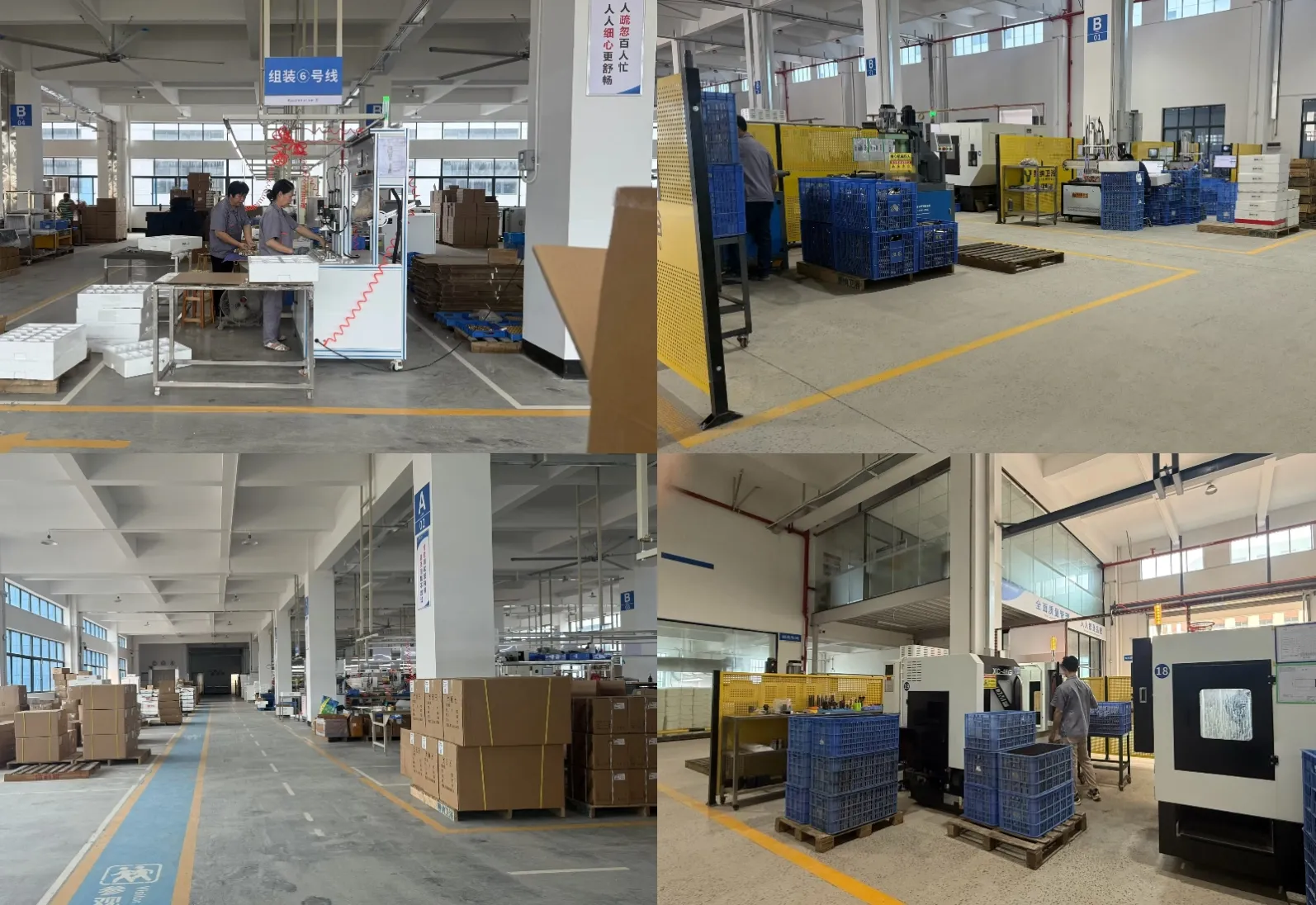
As a sanitary ware factory serving wholesale cooperation, we can discuss product-family planning, OEM/ODM details, packaging options, sample evaluation, and production requirements around your market. The best first conversation is not simply “What is your lowest price?” It is “How can we build a range that our customers will reorder?”
Ready to Plan Your Wholesale Faucet Range?
Send us your destination market, preferred product categories, finishes, estimated quantities, packaging requirements, and OEM/ODM needs. Our factory team will help you review a practical starting assortment and quotation.